

The global supply chain has shifted from a pure cost-optimization game to one of resilience and agility. Procurement leaders are no longer just negotiators; they are risk managers. However, most organizations still rely on static Excel sheets and manual emails to manage complex vendor relationships and inventory levels.
The critical gap is visibility and foresight. Companies often do not know a supplier is high-risk until they fail to deliver. Similarly, they lack the predictive power to anticipate demand spikes, leading to either costly overstocking or damaging stockouts. The goal is to move from reactive firefighting to Agentic AI that autonomously manages stock, verifies vendors, and predicts disruptions.
Unique Challenges in the Industry:
-
Vendor Risk Blindness: Companies often lack real-time data on their suppliers’ financial health or compliance status. Manually vetting thousands of vendors is impossible, leaving the supply chain vulnerable to hidden risks.
-
The “RFP” Drag: Creating Requests for Proposals (RFPs) and evaluating responses is a slow, manual process. It delays procurement cycles and often results in suboptimal vendor selection due to human cognitive overload.
-
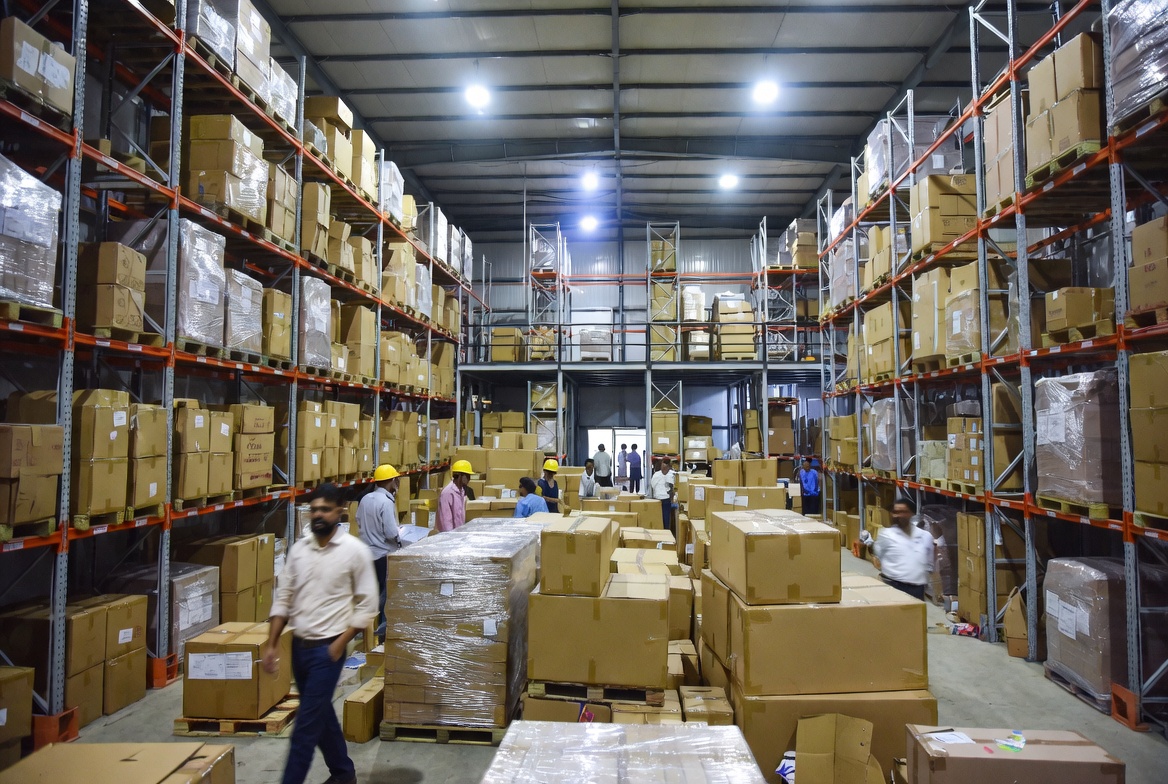
Inventory Volatility: Balancing “too much stock” (tied-up capital) vs. “too little stock” (lost sales) is a constant struggle. Traditional forecasting methods fail to account for real-time market shifts.
-
Fragmented Data: Procurement data sits in ERPs, emails, and supplier portals that don’t talk to each other. This creates “dark data” that prevents a unified view of spend and performance.