


Industry News
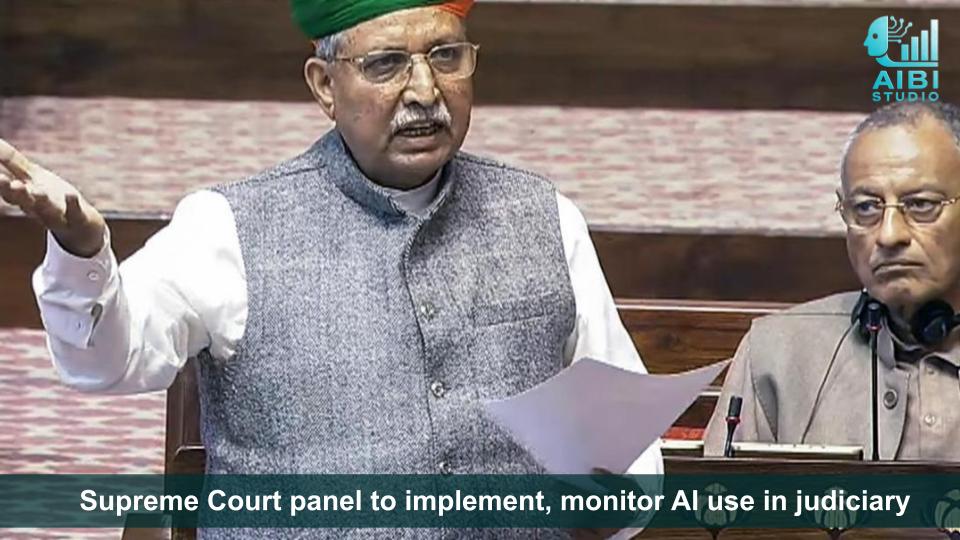
Supreme Court panel to conceptualise, implement, monitor AI use in judiciary, Law Minister tells RS
Dec
The Core Announcement The Supreme Court of India has constituted a new AI Committee responsible for the end-to-end implementation—from concept to monitoring—of AI tools within the judiciary. This move is part of the broader eCourts Project Phase-III (2023-24), designed to standardize tech usage across courts nationwide.
Key Objectives The government aims to use AI to solve specific bottlenecks in the legal system:
- Administrative Efficiency: Automating routine processes.
- Case Management: Predicting case pendency and streamlining daily operations.
- Legal Research: Assisting with intelligent search and precedent analysis.
Current Pilot Projects & Tools The Minister highlighted two major initiatives currently in the testing phase:
- Electronic Filing Assistance (with IIT Madras):
- AI/ML tools are being used to identify “defects” in case filings and extract metadata.
- These tools are integrated with the Integrated Case Management & Information System (ICMIS).
- A prototype has already been granted to 200 Advocates-on-Record for testing.
- SUPACE (Supreme Court Portal Assistance in Court Efficiency):
- Currently in the experimental stage.
- Designed to understand the “factual matrix” of cases and perform intelligent searches for legal precedents.
Implementation Strategy The government is adopting a “controlled pilot” approach to ensure responsible and secure adoption. While the Supreme Court’s e-Committee evaluates these pilots, individual High Courts will eventually formulate their own rules and policies to govern these tools.
